
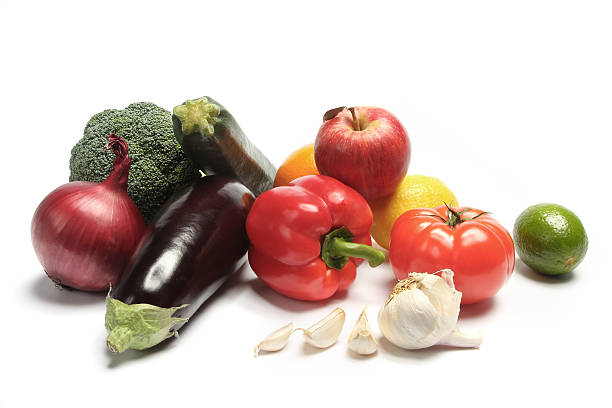
Quercetin is a flavonoid antioxidant found in a variety of plant-based foods. Here are some of the potential health benefits associated with quercetin:
1. Allergy relief: Quercetin has been shown to have antihistamine properties and may help reduce symptoms of allergies and asthma.
2. Anti-inflammatory properties: Quercetin has been shown to have anti-inflammatory effects, which may help reduce inflammation in the body and protect against chronic diseases such as heart disease, diabetes, and cancer.
3. Antioxidant properties: Quercetin is a potent antioxidant, which means it can help protect against oxidative damage caused by free radicals in the body. This may help prevent chronic diseases and slow down the aging process.
4. Immune system support: Quercetin has been shown to have immunomodulatory effects, which means it can help regulate the immune system and potentially enhance immune function.
5. Potential anti-cancer effects: Some studies have suggested that quercetin may have anti-cancer properties and may help prevent the growth and spread of cancer cells.
6. Potential anti-viral effects: Quercetin has been shown to have antiviral properties and may help prevent the replication of certain viruses, including those that cause the common cold and influenza.
7. Cardiovascular health: Quercetin has been shown to have potential benefits for cardiovascular health, including reducing blood pressure, improving endothelial function, and reducing the risk of heart disease.
Some foods that are excellent sources of quercetin include:
Onions, particularly red onions, are one of the best sources of quercetin. In fact, some studies have suggested that red onions may have the highest concentration of quercetin of any food.
Apples are another good source of quercetin. In fact, the skin of the apple is particularly high in this flavonoid.
Berries, such as blueberries, blackberries, and cranberries.
Leafy green vegetables, such as kale, spinach, and broccoli, are good sources of quercetin, as well as other antioxidants and nutrients.
Tomatoes are another food that contains quercetin. In fact, cooked tomatoes may have a higher concentration of quercetin than raw tomatoes.
Citrus fruits, such as oranges, grapefruit, and lemons.
Grapes, particularly red and purple grapes.
Tea: Both green tea and black tea contain quercetin, as well as other antioxidants and polyphenols.

Perfect!